What a Napa Tasting Room Should Put on Its Website

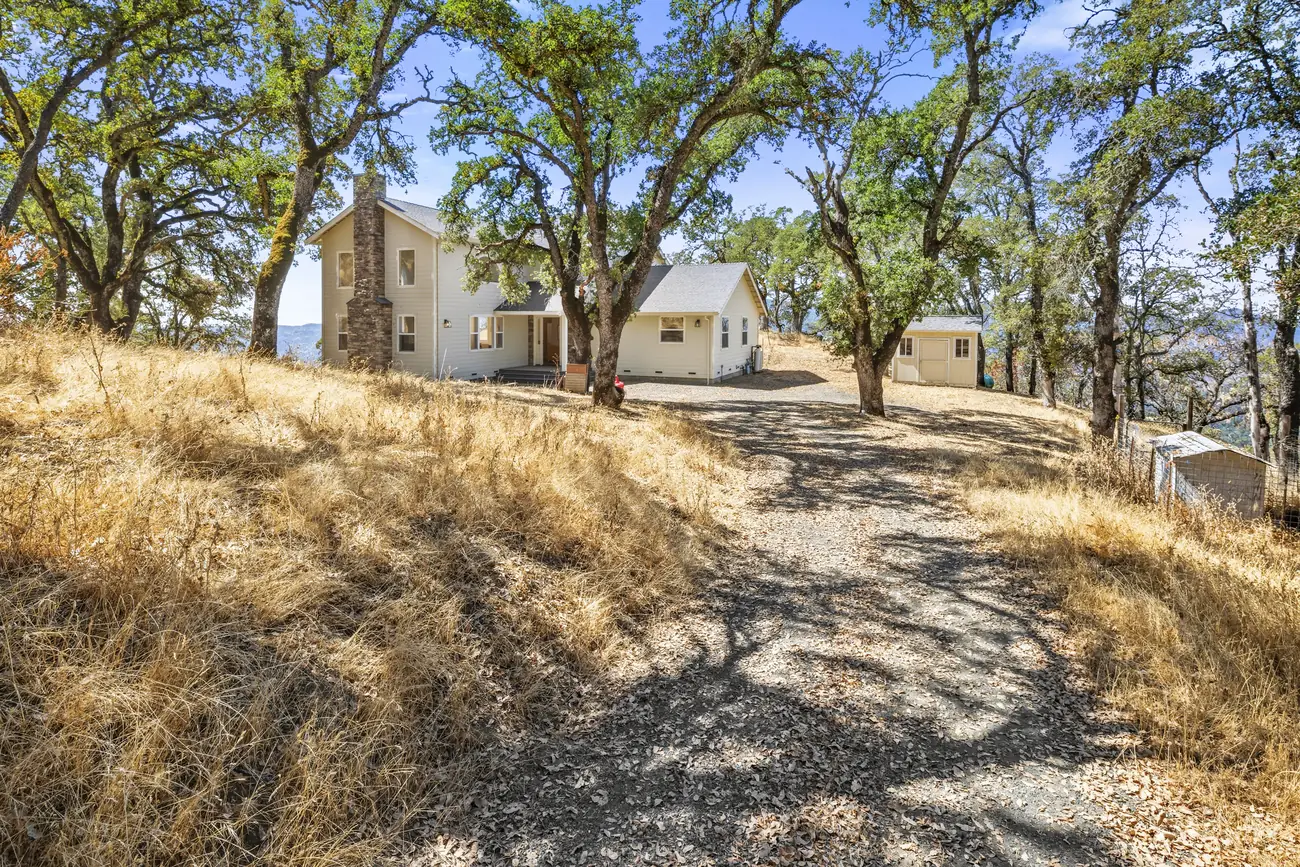
Most tasting room websites in this valley are beautiful and nearly useless to someone deciding where to spend a Saturday. The photography is extraordinary. The information a visitor needs to book — and the information a model needs to recommend you — is missing, buried in a PDF, or contradicted somewhere else on the internet.
The short version
- Napa runs on appointments, and appointments are booked two to eight weeks out — your site is being read long before anyone contacts you.
- The facts that decide a booking (price, duration, appointment policy, group size, accessibility, what you actually pour) are the exact facts most sites omit.
- The visitation numbers circulating in the trade press are being misread — the sharpest declines are national reservation data, not Napa foot traffic.
- Every fact on your site has to agree with Google, Yelp, the visitor bureau and the wine directories, or you lose to a producer whose story is consistent.
Your website is read weeks before anyone contacts you
Napa is a reservation market. Practical booking timelines run two to four weeks ahead for spring and summer, six to eight weeks during harvest, and one to two weeks in the quiet months. Appointment-only estates operate under use permits that cap them at fifty to seventy-five guests a day, which means the calendar fills and stays filled.
Everything that decides whether you make someone's shortlist happens before that booking request arrives. By the time a visitor contacts you, they have already read your site, compared it against four others, and formed a view. The page is doing the selling whether or not you designed it to.
The facts most tasting room sites leave out
Visit Napa Valley reports roughly 3.85 million visitors a year generating over $2.2 billion in economic impact for the county. Those visitors are making specific, practical decisions, and they need specific, practical facts. Here is what belongs in plain text on your site, not inside an image and not on a PDF:
- Whether tastings require an appointment, and how far ahead you typically book out
- What a tasting costs, per person, including any waived-with-purchase policy
- How long a visit takes — sixty minutes and ninety minutes are different plans for a day
- What you actually pour, by varietal, and roughly how many pours
- Your largest group size, and whether you can seat six, eight, or twelve
- Whether children, dogs, and outside food are welcome
- Wheelchair access, walking surfaces, and how far the parking is from the tasting area
- Whether you are on the valley floor or up a mountain road, and what that drive is like
- What makes a visit here different from the estate two miles down the road
Why the visitation numbers you are reading are being misread
The trade press has spent this year reporting that Napa visitation has collapsed. It is worth understanding what those numbers actually measure, because the conclusion people are drawing from them is wrong.
The Silicon Valley Bank Direct-to-Consumer report tracks reservation activity through a booking platform across a few hundred wineries nationally, and found a decline of roughly two percent a year from late 2024 into 2026. That is a national reservation trend, not a Napa foot-traffic trend, and it can only see the part of the market that runs on reservations. A separate Wine Business Monthly survey reported an eighteen percent drop in Napa tasting room visits, and that figure moved through the coverage as though it were the same finding.
The practical implication is not that demand vanished. It is that the reservation-driven part of the market has become harder to fill, which makes the quality of your booking page a bigger lever than it was five years ago, not a smaller one.
Write for the question, not the keyword
Nobody plans a trip by searching "Napa wineries." They search, or ask an assistant, for something specific: a winery that takes walk-ins on a Tuesday, somewhere quiet enough for a proposal, a producer doing something serious with Cabernet Franc, a tasting a group of ten can actually book, somewhere with shade in August.
Your tasting room staff answer these questions every day. Almost none of those answers exist in writing anywhere on your website. Getting them onto the page — in the visitor's language, as full sentences rather than bullet fragments — is most of the work and costs nothing but an afternoon.
Make the same facts machine-readable
Once the facts are written down, they need to be structured and consistent. Mark up your winery with schema so the price band, hours, address and offerings are explicit rather than inferred. Then make certain the same information appears identically on your Google Business Profile, Yelp, the visitor bureau listing and every wine directory that carries you.
Contradiction is what costs you. When a language model finds three different sets of hours and two different phone numbers, it lowers its confidence in everything about you and recommends the estate whose story holds together. Consistency is not a technical nicety here — it is the whole game.
Common questions
How far ahead do Napa visitors actually book?
Two to four weeks for spring and summer, six to eight weeks during harvest in September and October, and one to two weeks in the slower fall and winter months. Weekdays are consistently easier to book than weekends year-round. That window is how long your website has to do its work before anyone contacts you.
Should I put my tasting prices on the website?
Yes. Withholding price does not create intrigue, it creates a shortlist you are not on. Visitors budget a day around three or four stops and they need the number to plan. A price band with a clear waived-with-purchase policy converts better than "contact us for details."
Does a PDF tasting menu work?
Not for search, and not for AI assistants. A PDF or an image of your offerings is effectively invisible — the varietals, the pours and the pricing cannot be read, indexed, or cited. Put the same content in real text on a real page and keep the PDF as a download if you like it.
Is any of this different from normal SEO?
Not fundamentally. Specific, accurate, consistent, well-structured information serves a human visitor and a language model equally well. The sites that get recommended by AI are overwhelmingly the sites that were already clear to a person.
Want to know what AI currently says about your winery, and where your details disagree across the web? I run a free 30-minute diagnostic.